

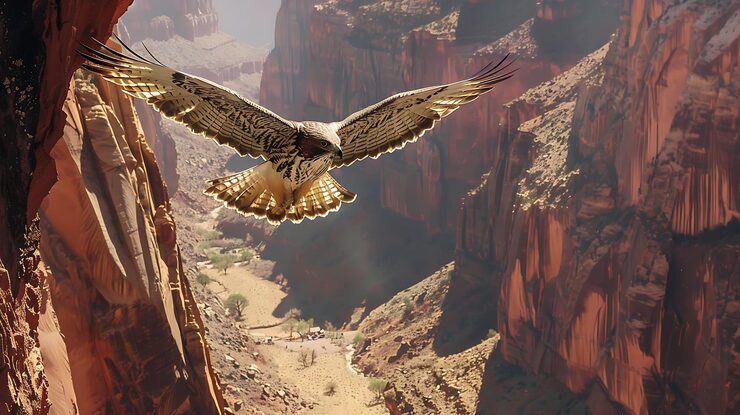
Falconry, one of humanity’s oldest bonds with nature, has made a remarkable comeback in recent decades. Once reserved for kings and hunters across the Middle East, Asia, and Europe, it has evolved into both a respected sport and a powerful ecological tool. Falconry News captures how this ancient art continues to soar in today’s modern world.
The History offalconry news in Ancient Times
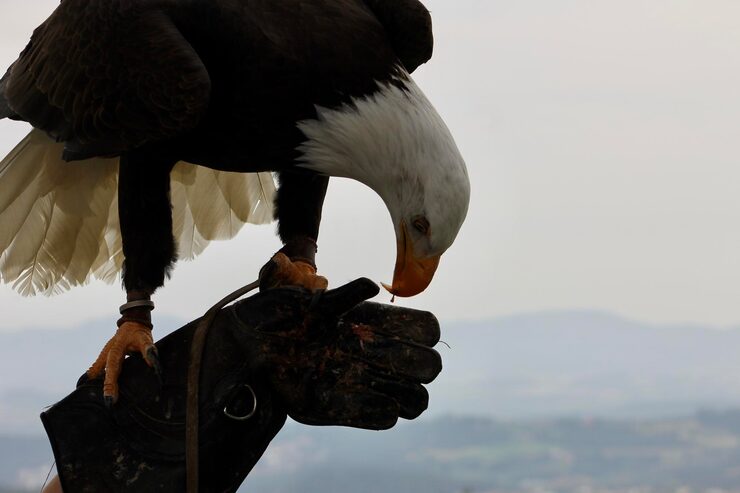
Falconry’s history stretches back more than 4,000 years to ancient Mesopotamia and Mongolia. In those early civilizations, it symbolized power and prestige among royalty and nobles. During the Middle Ages, it became a royal pastime throughout Europe and a vital survival skill in the deserts of Arabia. Today, UNESCO recognizes falconry as an Intangible Cultural Heritage of Humanity, highlighting its cultural and historical importance.

Contemporary Renaissance and Global Recognition
In the 21st century, falconry has entered a new era of revival. Across the globe, enthusiasts are merging traditional practices with modern innovation. Devices like GPS trackers, lightweight hoods, and drones have transformed how falcons are trained and cared for. Moreover, major international festivals in the UAE, UK, and the US attract thousands of participants each year, proving that falconry still unites people through shared respect for nature.

Falconry and Eco-Tourism
Falconers contribute significantly to wildlife conservation. Through breeding and rehabilitation programs, they help restore endangered species such as the peregrine falcon to their natural habitats. These initiatives not only protect raptors but also promote eco-tourism and strengthen humanity’s relationship with nature. As a result, falconry now serves as a bridge between cultural tradition and environmental preservation.
The Science and Skill Behind Falconry
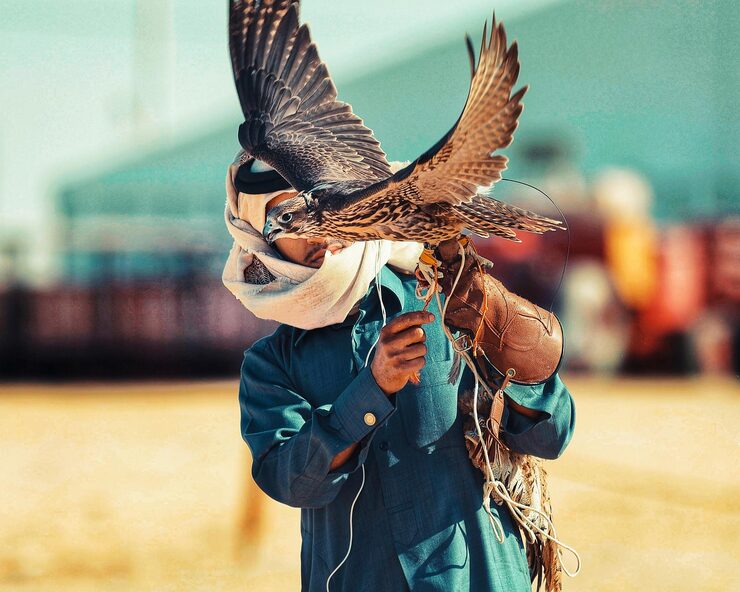
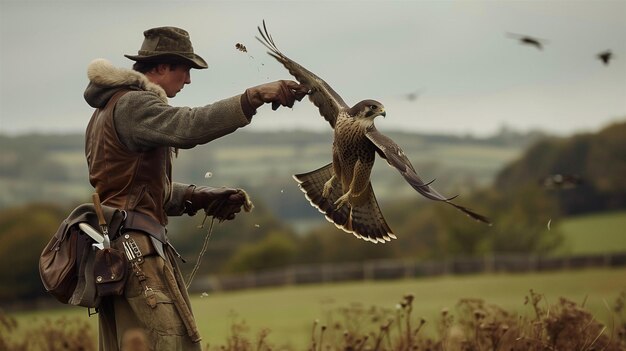
Training a bird of prey requires patience, precision, and deep behavioral understanding. Falconers use positive reinforcement techniques that build mutual trust and cooperation. Each species—from kestrels to eagles—demands specific care, including weight control, flight exercise, and habitat adaptation. Ultimately, successful falconry relies on harmony, discipline, and respect between falconer and bird.
Cultural Presence and Media Influence
The legacy of falconry extends far beyond hunting. In films, art, and social media, falcons symbolize strength, freedom, and grace. Today, documentaries and digital platforms showcase falconers from various cultures, helping raise global awareness about this heritage. Through popular hashtags such as #FalconryLife, communities share insights, knowledge, and breathtaking visuals that inspire new enthusiasts every day.
Legal and Ethical Responsibilities
Modern falconry is closely regulated to ensure ethical and sustainable practices. Governments require strict licensing and monitoring to protect birds and prevent exploitation. Conservation agencies track raptor populations and enforce welfare standards. Above all, ethical falconers focus on proper care, responsible breeding, and preserving balance between human interests and wildlife.
Falconry in the Arab World
In the Middle East, falconry remains a proud national tradition. Particularly in the UAE and Saudi Arabia, it has evolved into a deeply respected sport that reflects cultural identity. Government-backed initiatives support falcon hospitals, breeding centers, and research programs to maintain this heritage. Events like the Abu Dhabi International Hunting and Equestrian Exhibition (ADIHEX) continue to celebrate and sustain the legacy of falconry.

Education and Youth Engagement
Educational institutions and wildlife organizations worldwide are teaching young generations about falconry. Schools, nature reserves, and clubs offer hands-on workshops where students learn about raptor behavior, ecosystems, and conservation ethics. Consequently, these programs ensure the survival of falconry while fostering a lifelong respect for nature among youth.
Challenges and the Path Forward
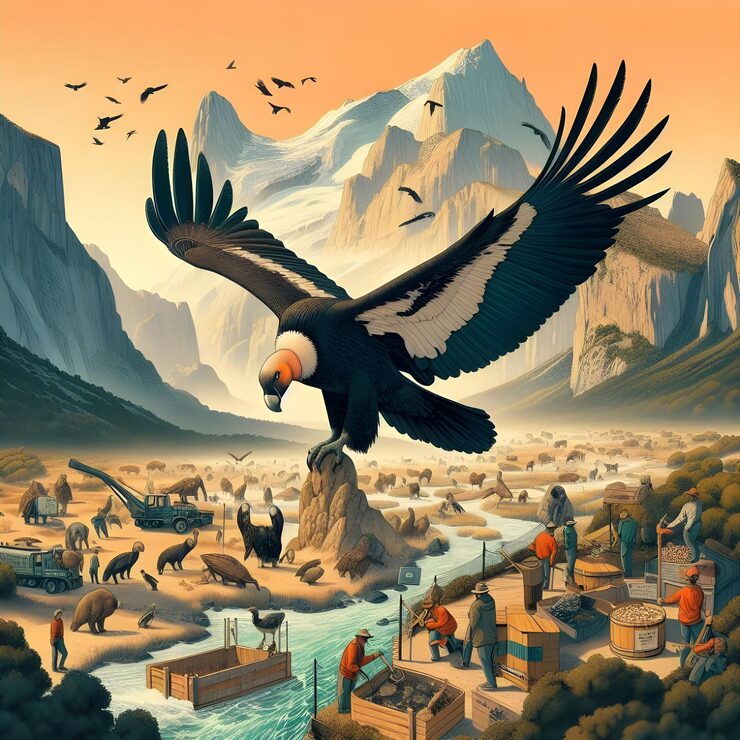
Despite its global growth, falconry faces modern challenges such as habitat loss, climate change, and misconceptions about hunting. However, the falconry community continues to advocate for responsible practices and environmental stewardship. With advanced technology and growing conservation awareness, this ancient art remains both relevant and sustainable in the 21st century.
Conclusion
Falconry is more than a traditional skill—it is a living philosophy of balance and respect. In an increasingly digital age, it reminds us of the patience, discipline, and harmony required to coexist with nature. Every time a falcon takes flight, it carries centuries of human heritage and the promise of a more sustainable future.

FAQs
Q1: What is falconry?
Falconry is the art of training birds of prey—like falcons and hawks—to hunt in cooperation with humans.
Q2: Is falconry still practiced today?
Yes, it remains popular around the world. Many countries host festivals, competitions, and conservation programs celebrating this ancient art.
Q3: What are the conservation benefits of falconry?
Falconers help rehabilitate and breed raptors, aiding in the reintroduction of endangered species into their native environments.
Q4: Is falconry ethical?
When practiced responsibly, falconry ensures bird welfare through proper care, training, and respect for natural behavior.
Q5: Can anyone learn falconry?
Yes, but aspiring falconers must undergo training, obtain a license, and often apprentice with an experienced mentor.